


Think checking your credit will ding your score?
That’s a common belief, but it’s wrong.
Credit monitoring uses soft inquiries, which are informational checks that scoring models ignore.
So turning on a monitoring service doesn’t lower your credit score.
It can actually help you spot fraud, incorrect late payments, or unexpected hard inquiries sooner.
In short, monitoring is safe and useful.
If your goal is to protect or improve your credit, set up alerts and check your reports without fear.
No — Credit Monitoring Does Not Hurt Your Credit Score
Turning on credit monitoring won’t hurt your credit score. When you sign up, or whenever the service checks your file, it shows up as a soft inquiry. Soft inquiries are just informational. The major scoring models (FICO Score 8, VantageScore 3.0, and others like them) completely ignore these when calculating your score.
You can check your credit as often as you want, through however many services you want. Your score won’t drop because of those checks.
What Credit Monitoring Does and Why It’s Safe
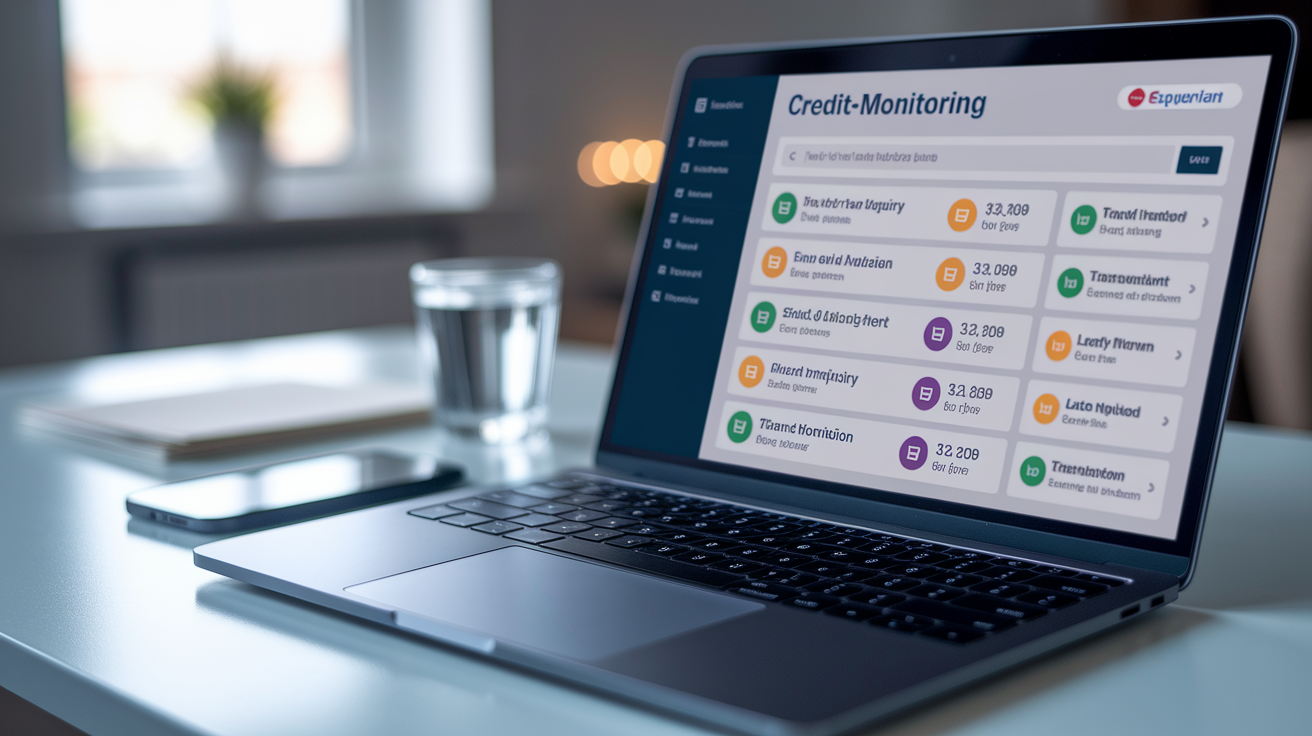
Credit monitoring watches your credit reports and sends alerts when something new shows up. You might get notified if a new account opens in your name, a hard inquiry appears, or a late payment hits your file. Most monitoring tools also give you monthly access to one or more of your credit scores and your reports from Equifax, Experian, or TransUnion.
When a monitoring service pulls your credit file during setup or to check for updates, it creates a soft inquiry. That’s a request to view your credit information for reasons other than a credit application. Examples:
- Checking your own report or score
- A monitoring service you authorized reviewing your file
- An employer running a background check (usually)
- A lender pre-screening you for an offer you didn’t ask for
Soft inquiries appear in a section of your credit report that only you can see. Lenders reviewing your application don’t see them. Scoring models don’t count them.
Hard inquiries are different. A hard inquiry happens when a lender checks your credit because you applied for a loan, credit card, or line of credit. Hard inquiries can lower your score by a few points. They stay visible to other lenders for two years, though their scoring impact usually fades after the first 12 months.
Because credit monitoring uses soft inquiries, it’s safe to activate and use whenever you need.
How Much Inquiries Matter in Your Credit Score
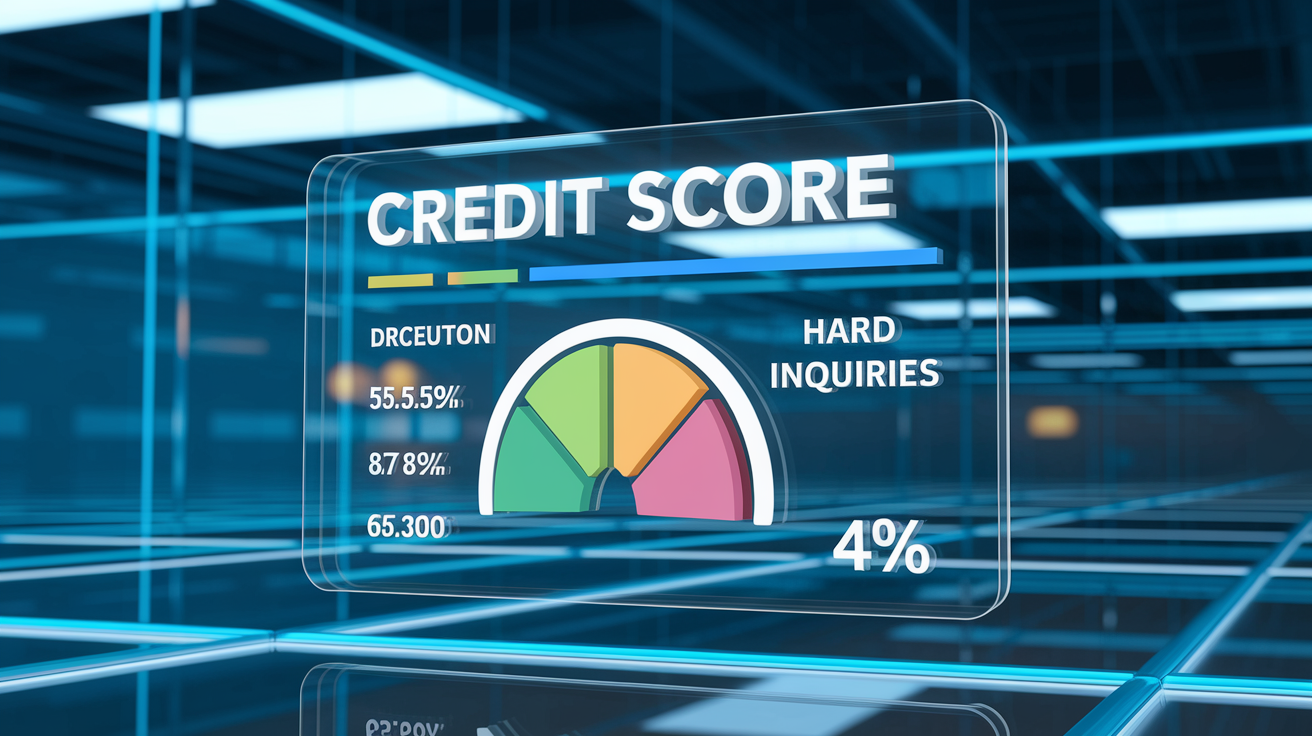
Inquiries and new credit accounts together make up roughly 10 percent of a FICO Score. Within that 10 percent, hard inquiries are only one piece. Opening a new account also affects the average age of your credit file, which gets counted separately under length of credit history (about 15 percent of your FICO Score).
A single hard inquiry typically lowers a score by fewer than 5 points. Often it’s 2 to 3 points. And the effect is temporary. If your credit profile is thin (few accounts, short history), the impact might be larger. If you have a long, strong history with many accounts in good standing, one inquiry may not move your score at all.
Multiple hard inquiries in a short window for the same type of credit (auto loans, mortgages) are often treated as a single inquiry by FICO and VantageScore models. This is called rate shopping. It protects consumers who comparison shop for the best loan terms. The window varies by model, typically 14 to 45 days. But the principle holds: shopping around for one loan doesn’t multiply the damage.
Credit card applications get treated individually. Applying for three credit cards in one month will usually log three separate hard inquiries, each with its own small score impact.
Soft inquiries (the kind credit monitoring creates) don’t count toward that 10 percent at all.
What Affects Your Score More Than Monitoring
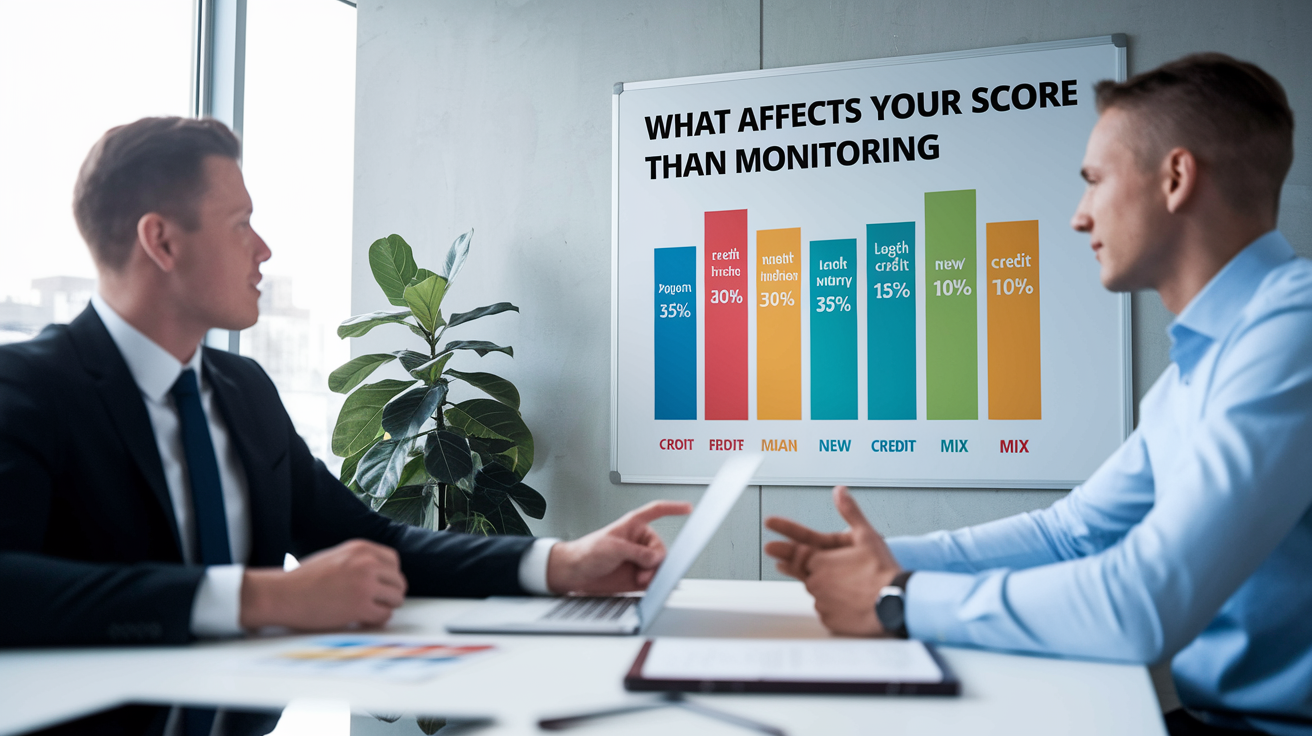
If you want to understand where your score is vulnerable, focus on the factors that carry the most weight.
Payment history accounts for about 35 percent of a FICO Score. A payment reported 30 or more days late is a serious negative event. The damage depends on how late the payment is, how recent it is, and what the rest of your credit file looks like. A single 30-day-late payment can drop a score by 60 to 110 points if your credit was previously clean. Multiple late payments, or payments reported 60, 90, or 120+ days late, cause deeper and longer-lasting harm.
Credit utilization (how much of your available credit you’re using) makes up about 30 percent of a FICO Score. Utilization gets calculated per card and across all revolving accounts combined. Keeping utilization below 30 percent on each card is a common benchmark. But lower is better. Balances above 50 percent of a card’s limit often trigger larger score drops. Paying down balances usually raises scores quickly, sometimes within one billing cycle.
| Score Factor | FICO Weight | Example of High Impact |
|---|---|---|
| Payment history | ~35% | Payment 30+ days late |
| Credit utilization | ~30% | Balance above 50% of limit |
| Length of credit history | ~15% | Closing oldest account |
| New credit (inquiries + accounts) | ~10% | Opening multiple new accounts in short period |
| Credit mix | ~10% | Having only one type of account |
Length of credit history is about 15 percent. Closing your oldest account or opening several new accounts in a short span can lower the average age of your accounts and reduce this component of your score.
Credit mix (the variety of account types you have: credit cards, installment loans, mortgages) is roughly 10 percent. It’s the least influential of the five main factors.
Compared to a late payment or high utilization, the impact of a soft inquiry from credit monitoring is zero.
How to Monitor Your Credit Without Damaging Your Score
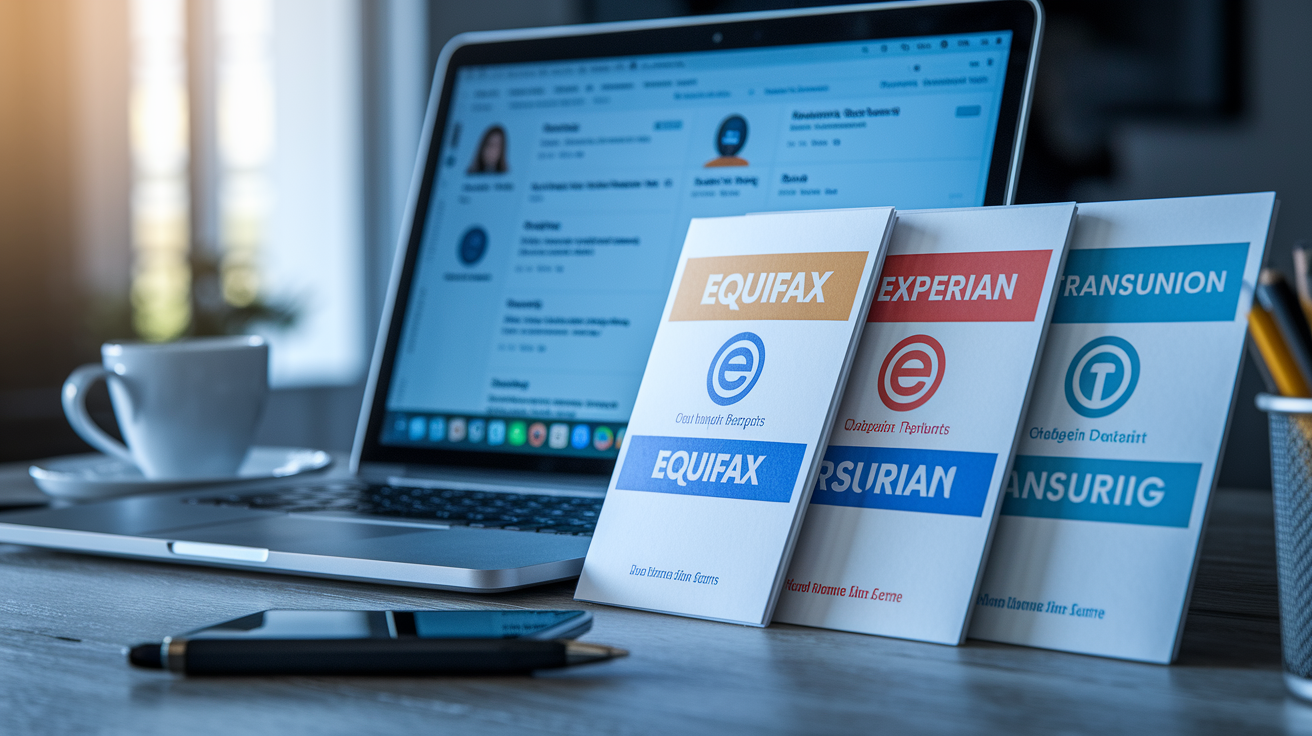
You’re entitled to one free copy of your credit report from each of the three national credit bureaus (Equifax, Experian, and TransUnion) every 12 months. You can request all three at once or space them out to check different bureaus throughout the year. The request gets processed as a soft inquiry, so it doesn’t affect your score.
Many free monitoring services watch a single bureau and provide alerts when something changes on that report. You also get monthly access to your credit score (often a VantageScore) and your credit report from that bureau. Examples include Credit Karma (Equifax and TransUnion), Experian’s free membership (Experian only), and similar offerings from banks and card issuers.
Paid monitoring services typically cover all three bureaus. You receive alerts for changes across all three reports, monthly scores from each bureau, and sometimes additional identity theft features such as dark web monitoring for your Social Security number or support from ID restoration specialists if fraud gets detected. Costs vary, but many plans start around $10 to $25 per month. Some offer family plans that let you monitor children’s credit files (by locking their Equifax report, for instance, to prevent accounts from being opened in their names).
If you use an automated service, you’ll usually receive email or mobile alerts when:
- A new account is opened
- A hard inquiry appears
- A payment is reported late
- Your credit utilization crosses a threshold
- Your personal information (name, address) changes
These alerts can help you catch fraud or errors quickly. Disputing a fraudulent account or incorrect late payment is easier when you act within 30 days of the event. Early detection can prevent further damage or speed up the recovery process.
Every check performed by a monitoring service you authorized (whether free or paid, single-bureau or three-bureau) gets logged as a soft inquiry and ignored by scoring models.
Common Questions: Multiple Services, Employer Checks, and Self-Checks

Using multiple credit monitoring services at the same time doesn’t hurt your score. Each service will log its own soft inquiry when it checks your file. But again, soft inquiries don’t affect scores. If you want alerts from one free service and detailed reports from a paid service, or if you want to compare scores from different bureaus, you can authorize as many as you find useful without penalty.
When you check your own credit report (through AnnualCreditReport.com, a monitoring service, or directly with a bureau), the request is always a soft inquiry. You can’t damage your score by reviewing your own information. The idea that checking your credit “too often” will lower your score is a misconception. You can check daily if you want. The scoring models won’t care.
Employer background checks typically involve a soft inquiry or a consumer report that’s separate from the credit reports used for lending decisions. Written permission is usually required before an employer can pull any version of your credit file. The check doesn’t affect your credit score. Similarly, most landlord or tenant screenings use consumer report services that don’t generate hard inquiries or impact scores. Only if a landlord requires you to apply for a line of credit or a loan product would a hard inquiry occur.
If you’re asked to authorize a credit check for employment or housing, you can ask whether it’ll be a hard or soft inquiry. In the vast majority of cases, it’ll be soft or it’ll use a report that isn’t factored into credit scores at all.
Why Credit Monitoring Helps More Than It Hurts

Credit monitoring doesn’t lower your score. It can, however, help you protect and improve your score over time.
Catching a fraudulent account early means you can dispute it before it reports a late payment or runs up a balance that raises your utilization. Spotting an incorrect late payment lets you contact the creditor and dispute the error with the bureau before it sits on your report for months. Seeing a new hard inquiry you didn’t authorize is a red flag that someone may have applied for credit in your name.
Monitoring also gives you a baseline. If your score drops unexpectedly, you can review your report to see what changed (a new account, a missed payment, a spike in utilization) and take action. Without monitoring, you might not discover the problem until you apply for credit and are surprised by a denial or a higher interest rate.
Free monitoring services offer enough functionality for most people: alerts, monthly scores, and access to at least one bureau’s report. Paid services add coverage of all three bureaus, which is useful because not every creditor reports to all three, and some lenders pull from only one or two. If you want comprehensive protection or family monitoring features, the cost is usually modest compared to the potential expense of undetected fraud.
The scoring impact of credit monitoring is zero. The benefit (earlier detection, faster response, and a clearer picture of where your credit stands) can be significant.
Final Words
You’ve seen what credit monitoring does, when it helps, and the tradeoffs: alerts and identity checks can speed up fixes, but the service itself rarely moves your score. We covered types of monitoring, common fees, and practical next steps to protect your file.
If your final question is “does credit monitoring affect your credit score,” the clear answer is no — it won’t directly change your score. Use monitoring to spot errors and stop fraud early, and you’ll keep your credit on steadier ground.
FAQ
Q: Is there a downside to credit monitoring?
A: The downside to credit monitoring is that it only alerts you, it doesn’t prevent fraud, can create false alarms, and some services charge monthly fees. Pair monitoring with freezes and alerting creditors for real protection.
Q: What credit score do I need to buy a $400,000 house?
A: The credit score you need to buy a $400,000 house depends on loan type; typically 620-660 for conventional loans and 580 for FHA (3.5% down). Aim for 700+ to secure better interest rates.
Q: How fast can I add 100 points to my credit score?
A: You can raise your credit score by 100 points in a few months to a year depending on your starting score; fastest by fixing errors, cutting utilization (below 30% or under 10%), and making every payment on time.
Q: What credit score does Hyundai Finance use?
A: Hyundai Finance doesn’t publish a fixed cutoff; approvals usually need mid-600s for standard offers and 700+ for the best rates. Lower scores may get financing but with higher interest or stricter terms.